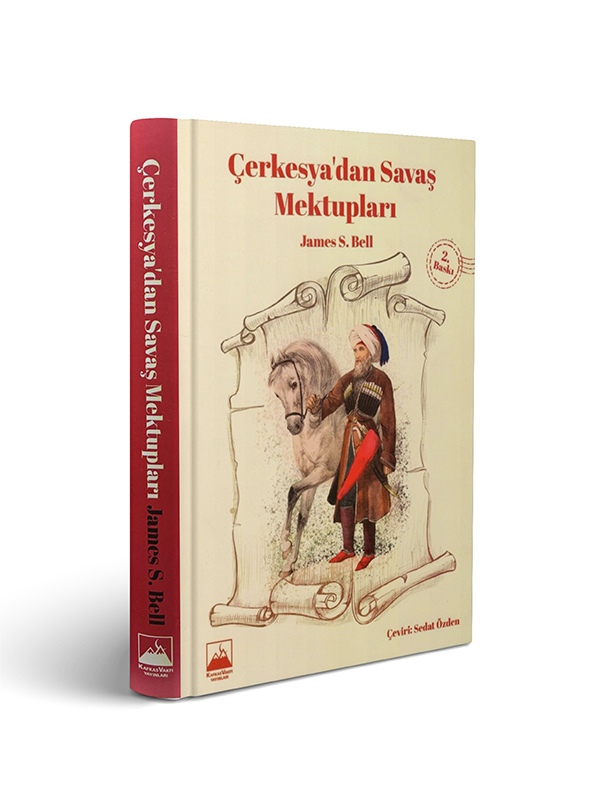
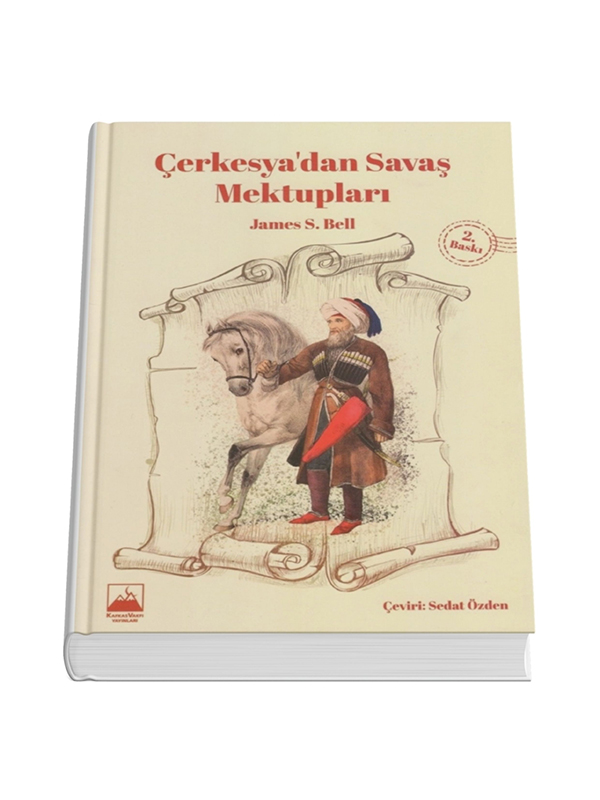
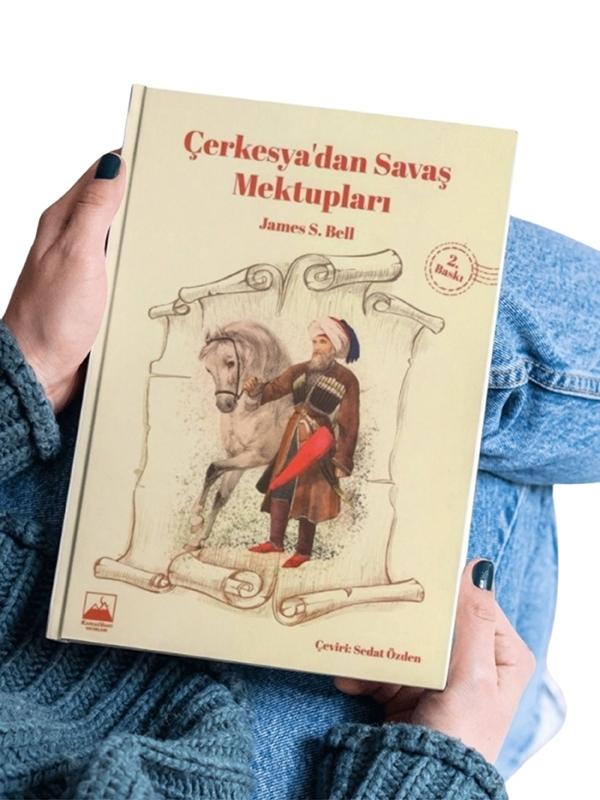
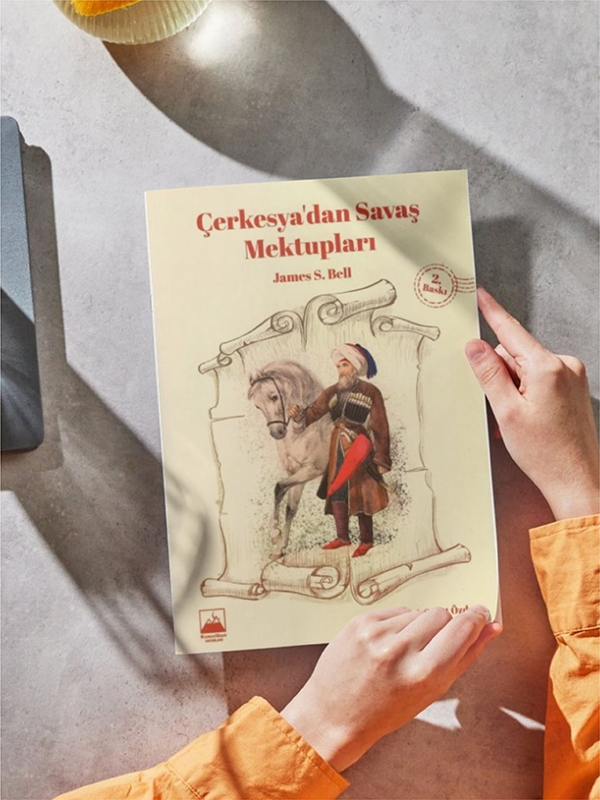
Book Title: War Letters from Circassia
Publisher: Kafka Foundation Publications
Author: James S. Bell
Pages: 643
Publication Date: 2025
Edition: 2nd Edition
Language: Turkish
Cover Type: Paperback
ISBN: 9786057126399
Subject:
Russia’s prolonged campaign of occupation and destruction in the Caucasus reached its peak intensity in Circassia after the 1829 Treaty of Adrianople. By establishing the Right Flank—a chain of fortresses along the Kuban River—and the Black Sea Line—stretching from Anapa to Georgia—Russia cut off Circassia from the outside world, trapping it in an iron grip. Despite Russia’s overwhelming military presence—land armies in the north, garrisons in southern fortresses, and a naval blockade—the Circassians mounted an extraordinarily determined and effective resistance. As this century-long, bloody struggle raged on, a foreign voice emerged from Circassia, broadcasting the heroic resistance to the world.
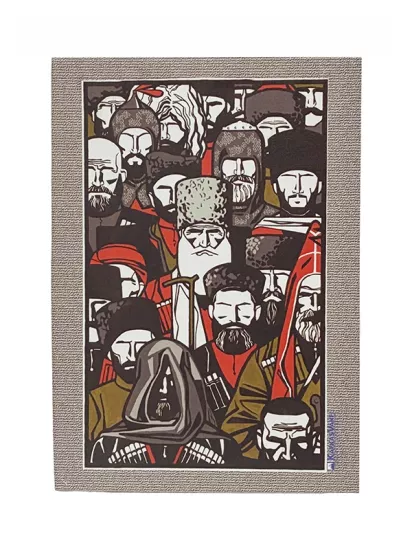
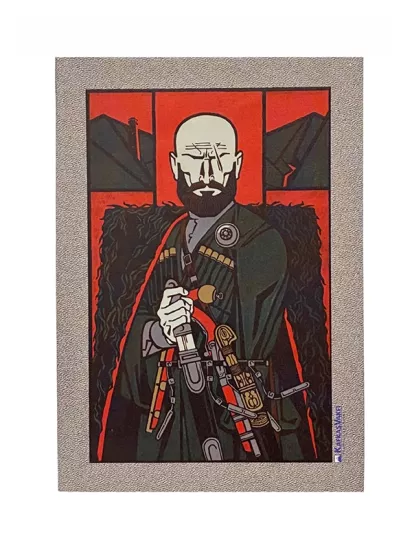
Bell’s book is of great significance, as he lived among the Circassians for about three years during their war of liberation. Through his work, we gain insight into vivid scenes from Circassia’s resistance history and the heroes who stood out in battle.
What makes this book unique and important is Bell’s detailed depictions of warfare, combined with his sociological and anthropological observations on Circassian society—their way of life, traditions, and beliefs. His illustrations and maps are also invaluable artifacts of the era. Bell’s eyewitness account offers an unparalleled opportunity to understand Circassia in the 1830s.
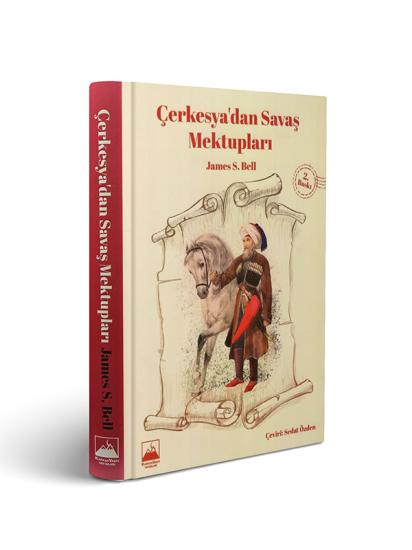
Book Title: War Letters from Circassia
Publisher: Kafka Foundation Publications
Author: James S. Bell
Pages: 643
Publication Date: 2025
Edition: 2nd Edition
Language: Turkish
Cover Type: Paperback
ISBN: 9786057126399
Subject:
Russia’s prolonged campaign of occupation and destruction in the Caucasus reached its peak intensity in Circassia after the 1829 Treaty of Adrianople. By establishing the Right Flank—a chain of fortresses along the Kuban River—and the Black Sea Line—stretching from Anapa to Georgia—Russia cut off Circassia from the outside world, trapping it in an iron grip. Despite Russia’s overwhelming military presence—land armies in the north, garrisons in southern fortresses, and a naval blockade—the Circassians mounted an extraordinarily determined and effective resistance. As this century-long, bloody struggle raged on, a foreign voice emerged from Circassia, broadcasting the heroic resistance to the world.
Bell’s book is of great significance, as he lived among the Circassians for about three years during their war of liberation. Through his work, we gain insight into vivid scenes from Circassia’s resistance history and the heroes who stood out in battle.
What makes this book unique and important is Bell’s detailed depictions of warfare, combined with his sociological and anthropological observations on Circassian society—their way of life, traditions, and beliefs. His illustrations and maps are also invaluable artifacts of the era. Bell’s eyewitness account offers an unparalleled opportunity to understand Circassia in the 1830s.


 0212 671 79 80
 Türkçe
 English
 русский