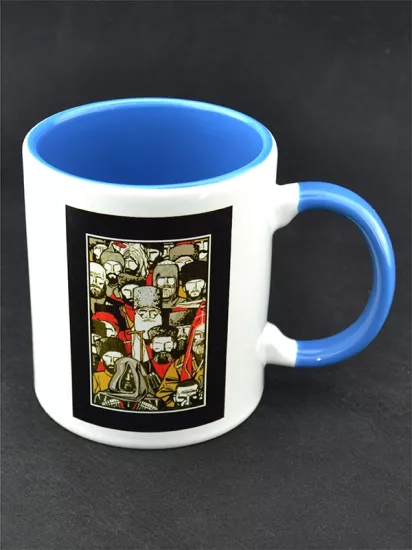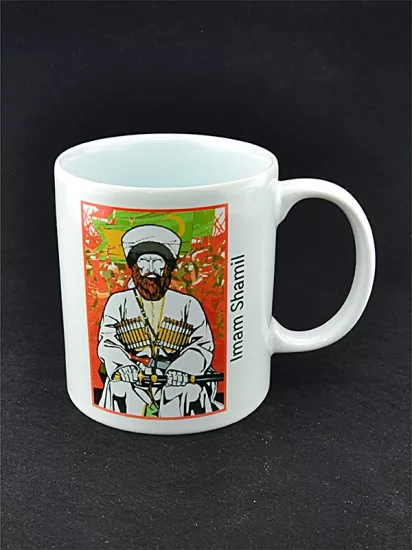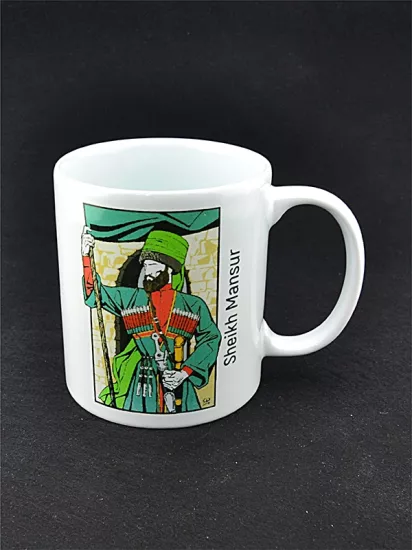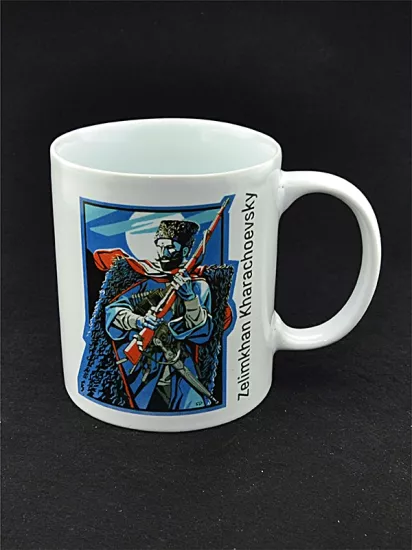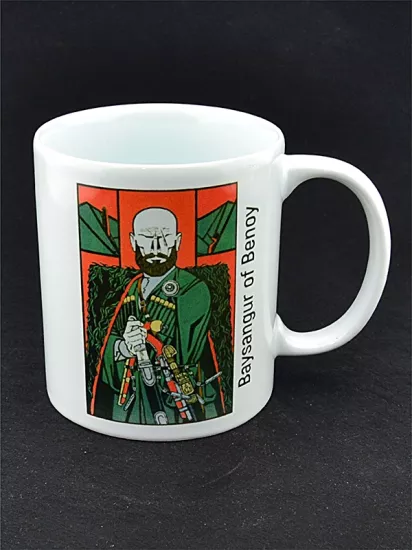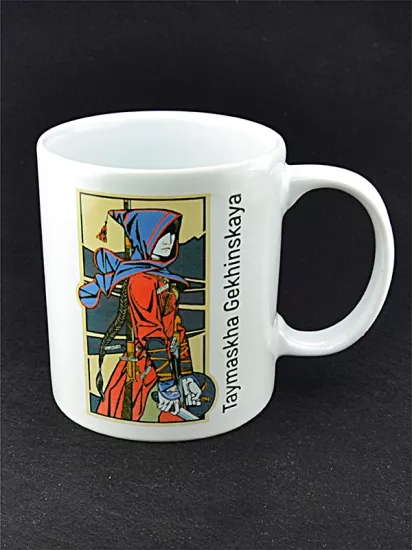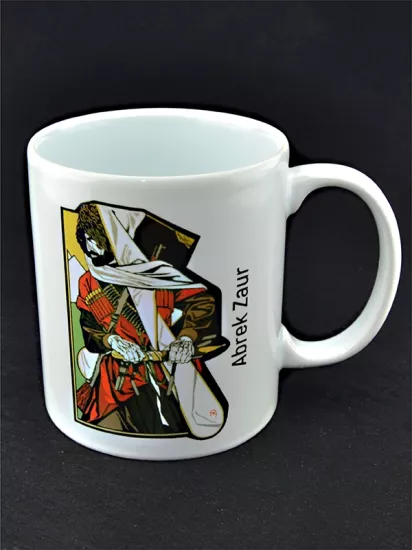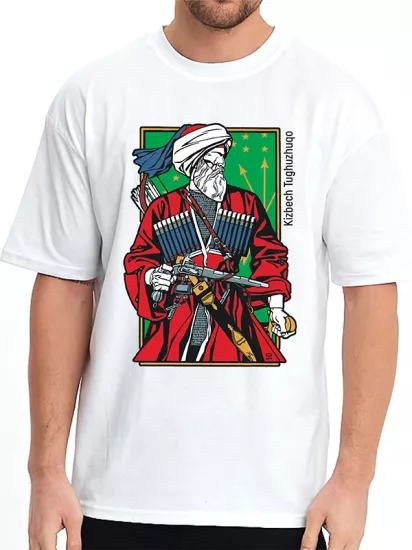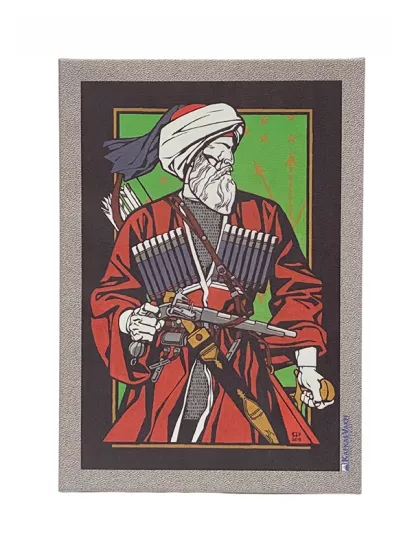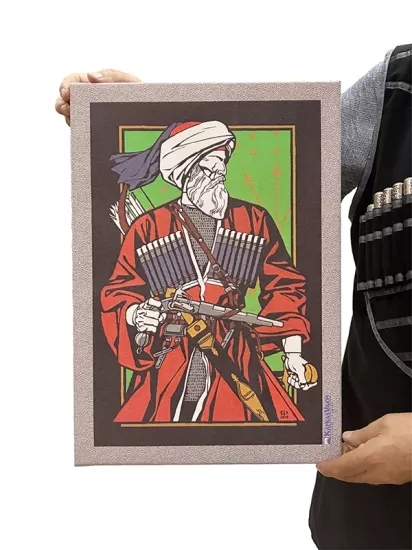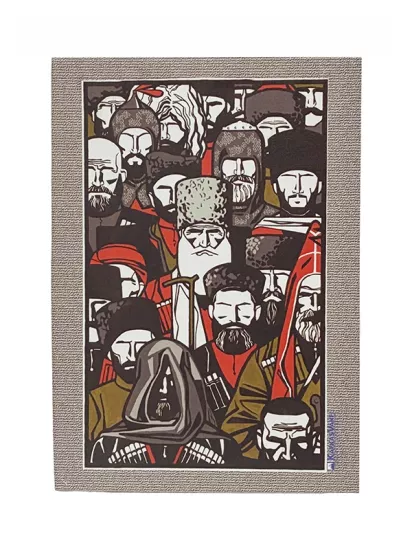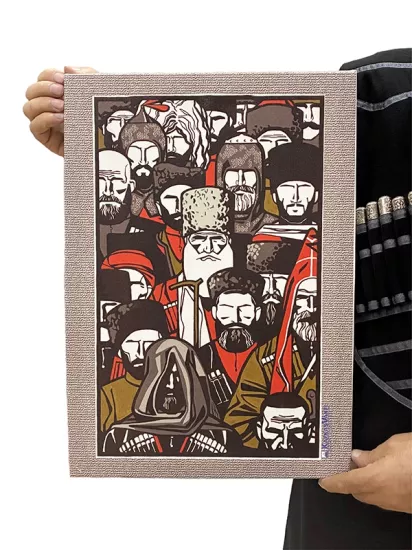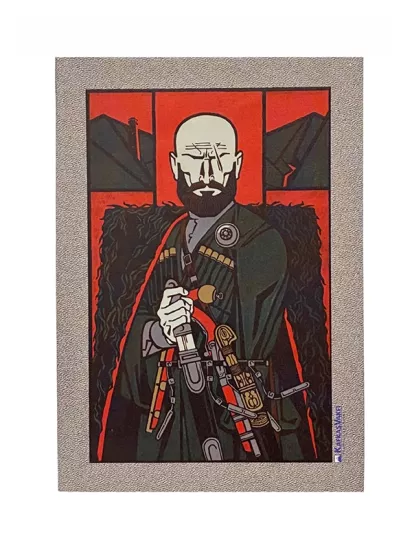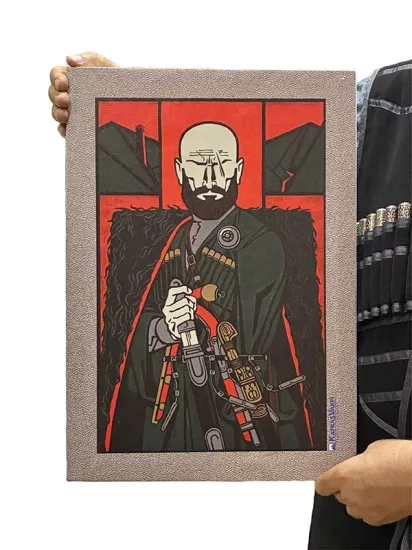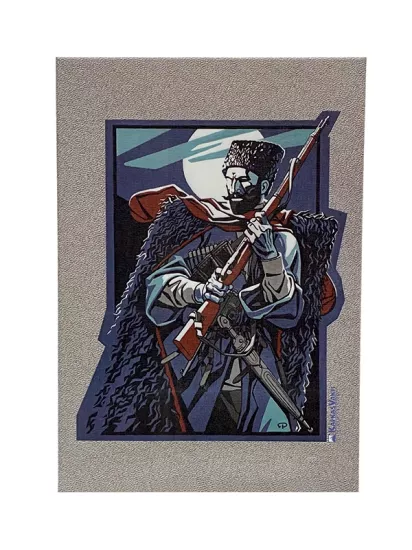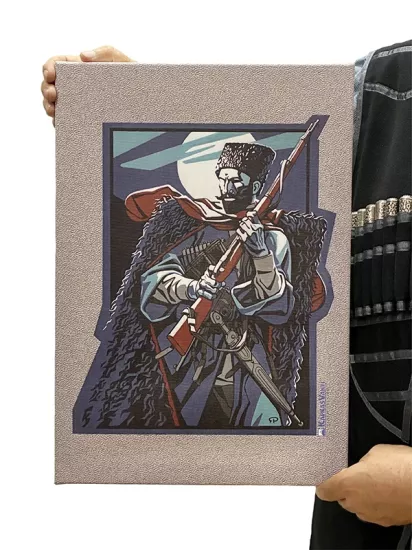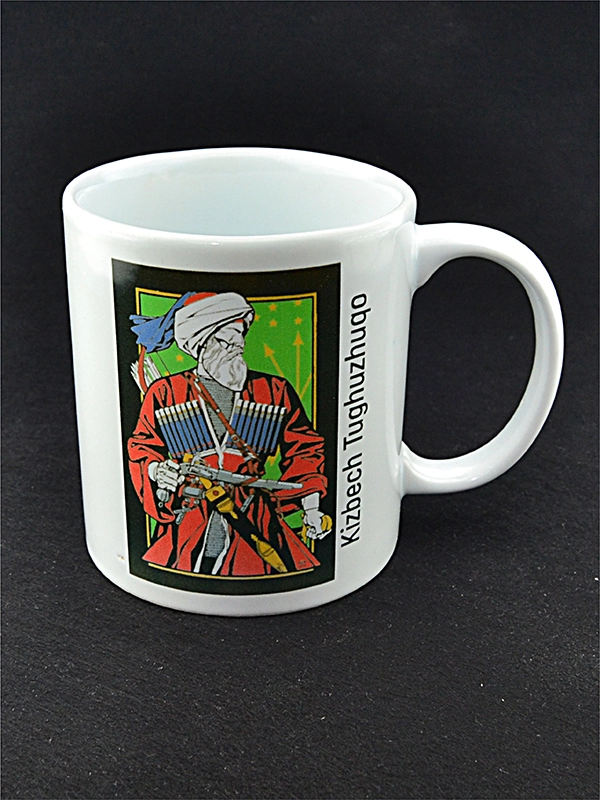
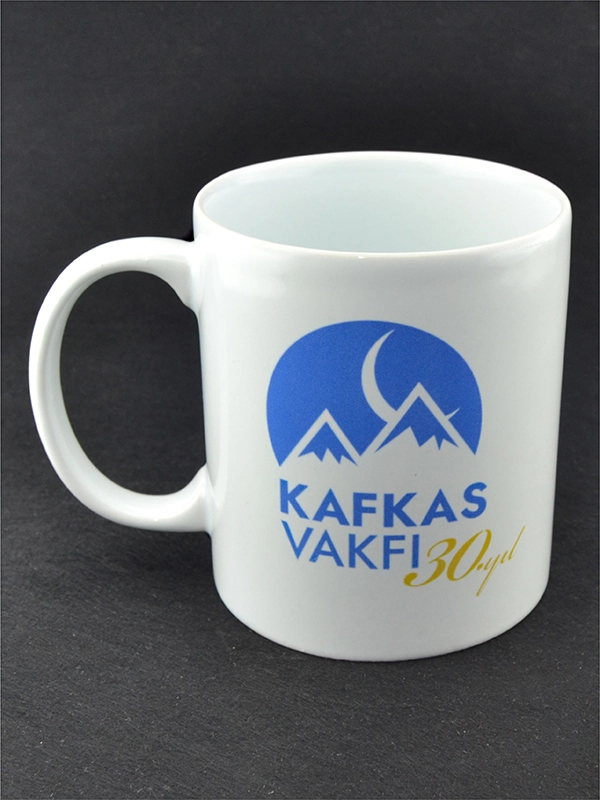
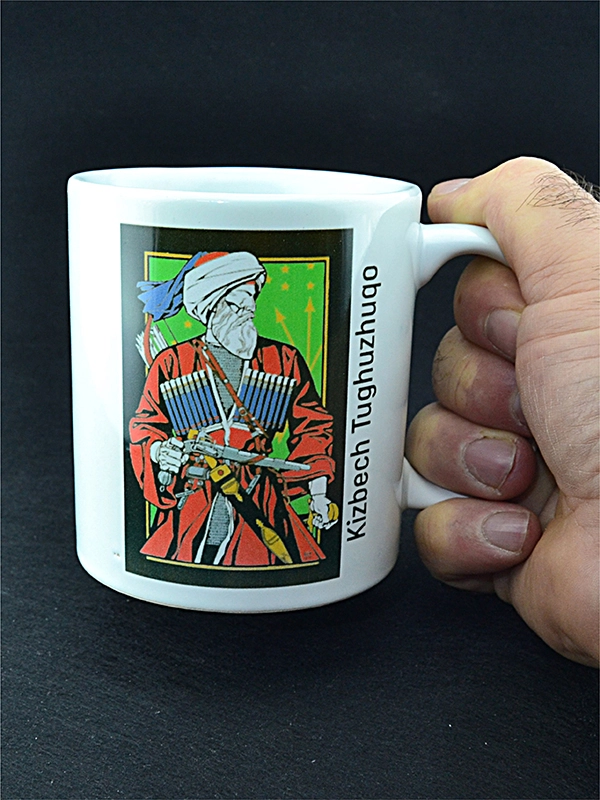
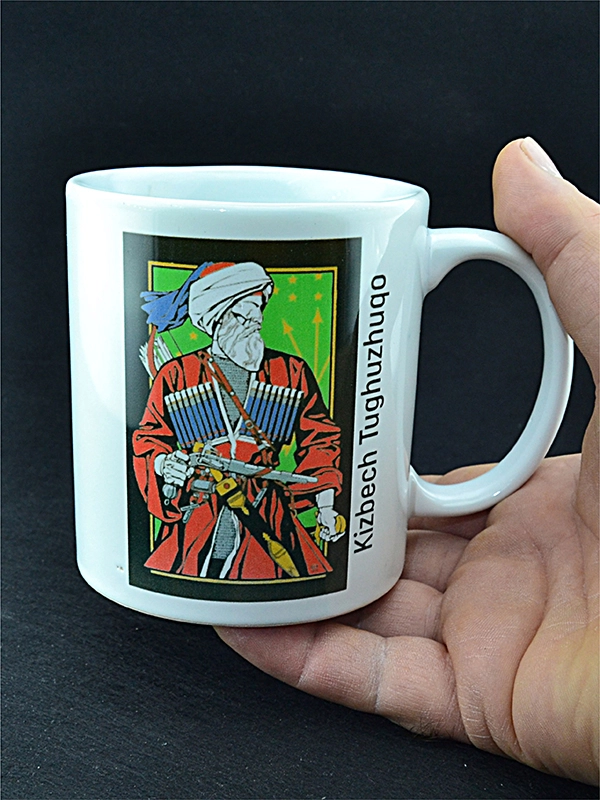
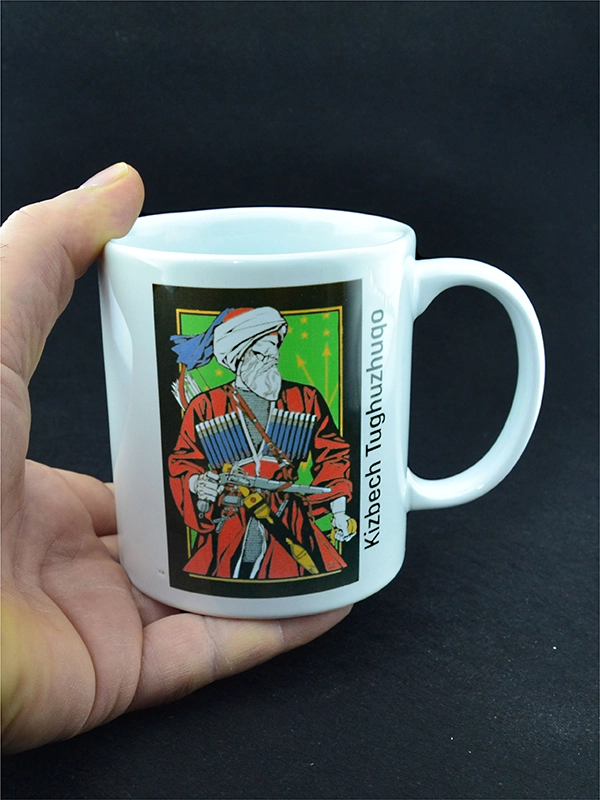
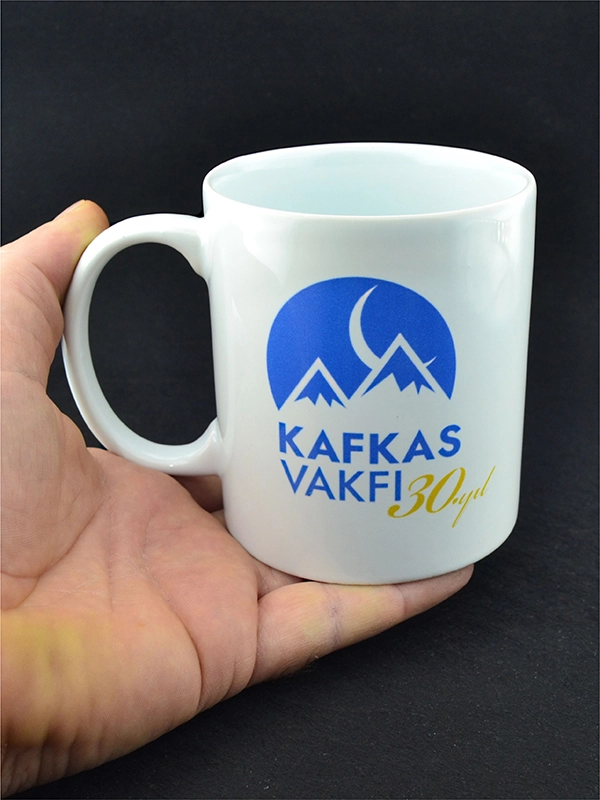
Our premium ceramic mug is produced for high durability and vivid print quality. Prints are applied using sublimation techniques, so colors will not fade or peel. One side of the mug features the name Kizbech Tughuzhuqo; the other side displays the Caucasus Foundation 30th Year logo. Safe for hand or machine washing. Graphics and designs are copyrighted by Rüstem Yahikhanov; unauthorized copying, reproduction, or use is illegal.
Technical Details
Material: Premium ceramic
Printing technique: Sublimation (no fading)
Height: 9.5 cm
Diameter: 8 cm
Width including handle: 13 cm
Washing: Safe for hand washing and dishwasher
Design: Kizbech Tughuzhuqo on one side, Caucasus Foundation 30th Year logo on the other
Copyright: Graphics and designs belong to Rüstem Yahikhanov (unauthorized use prohibited)
Who is Kizbech Tughuzhuqo?
Kizbech Tughuzhuqo was born in 1777 in the village of Beannash. His military activity in Circassia took place between 1810 and 1839. Due to numerous victories in battles, he was known among the people as the "Circassian lion."
He participated in the Battle of Byzik in 1796, where he nearly lost his head and survived with a deep scar. Despite being outnumbered, Kizbech won battles against Tsarist forces; for example, on one occasion he led 700 Shapsigh horsemen and routed a 14,000-strong Tsarist detachment.
During raids, Kizbech used strategic techniques he developed himself, similar to the Cossacks' "luring" tactic of feigned retreat. When Cossacks pursuing the mountaineers became separated from their units, the "Circassian lion" would attack them. Another tactic was lining riders up like a "rope": a rider would pretend to flee, drawing followers into a line, then suddenly stop and turn to cut them down before they understood what had happened.
"A fleeing Circassian is still far from being a defeated warrior." As a fighter, Kizbech commanded great respect among his adversaries. Tsarist generals negotiated with him and repeatedly offered him service in the Russian Empire, but Kizbech scorned such offers.
Legends preserved in Adyghe folklore portray him as a fearless and relentless soldier. Neither the deaths of his sons, nor his numerous wounds, nor old age deprived Kizbech of his favorite activity — war. In old age he went on pilgrimage to Mecca, but even the holy title of pilgrim did not calm the stubborn heart of the fierce horseman within him; he remained an old-school harsh Shapsigh all his life. And despite his great age, he died not of old age but from wounds received during an attack on the Veliaminov fortress on February 29, 1840.
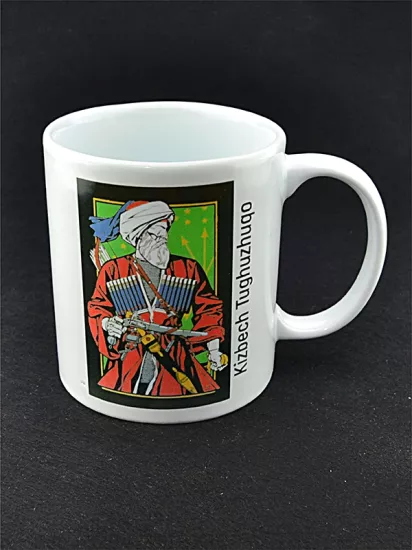
Our premium ceramic mug is produced for high durability and vivid print quality. Prints are applied using sublimation techniques, so colors will not fade or peel. One side of the mug features the name Kizbech Tughuzhuqo; the other side displays the Caucasus Foundation 30th Year logo. Safe for hand or machine washing. Graphics and designs are copyrighted by Rüstem Yahikhanov; unauthorized copying, reproduction, or use is illegal.
Technical Details
Material: Premium ceramic
Printing technique: Sublimation (no fading)
Height: 9.5 cm
Diameter: 8 cm
Width including handle: 13 cm
Washing: Safe for hand washing and dishwasher
Design: Kizbech Tughuzhuqo on one side, Caucasus Foundation 30th Year logo on the other
Copyright: Graphics and designs belong to Rüstem Yahikhanov (unauthorized use prohibited)
Who is Kizbech Tughuzhuqo?
Kizbech Tughuzhuqo was born in 1777 in the village of Beannash. His military activity in Circassia took place between 1810 and 1839. Due to numerous victories in battles, he was known among the people as the "Circassian lion."
He participated in the Battle of Byzik in 1796, where he nearly lost his head and survived with a deep scar. Despite being outnumbered, Kizbech won battles against Tsarist forces; for example, on one occasion he led 700 Shapsigh horsemen and routed a 14,000-strong Tsarist detachment.
During raids, Kizbech used strategic techniques he developed himself, similar to the Cossacks' "luring" tactic of feigned retreat. When Cossacks pursuing the mountaineers became separated from their units, the "Circassian lion" would attack them. Another tactic was lining riders up like a "rope": a rider would pretend to flee, drawing followers into a line, then suddenly stop and turn to cut them down before they understood what had happened.
"A fleeing Circassian is still far from being a defeated warrior." As a fighter, Kizbech commanded great respect among his adversaries. Tsarist generals negotiated with him and repeatedly offered him service in the Russian Empire, but Kizbech scorned such offers.
Legends preserved in Adyghe folklore portray him as a fearless and relentless soldier. Neither the deaths of his sons, nor his numerous wounds, nor old age deprived Kizbech of his favorite activity — war. In old age he went on pilgrimage to Mecca, but even the holy title of pilgrim did not calm the stubborn heart of the fierce horseman within him; he remained an old-school harsh Shapsigh all his life. And despite his great age, he died not of old age but from wounds received during an attack on the Veliaminov fortress on February 29, 1840.


 0212 671 79 80
 Türkçe
 English
 русский