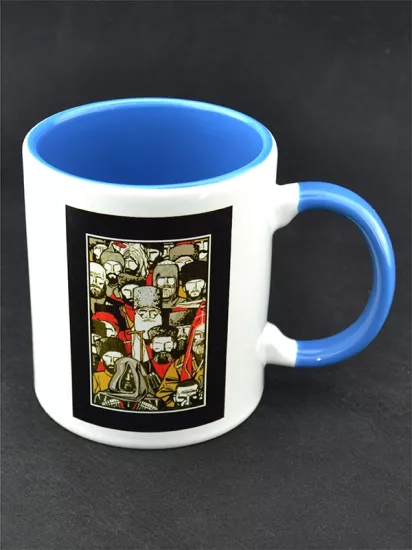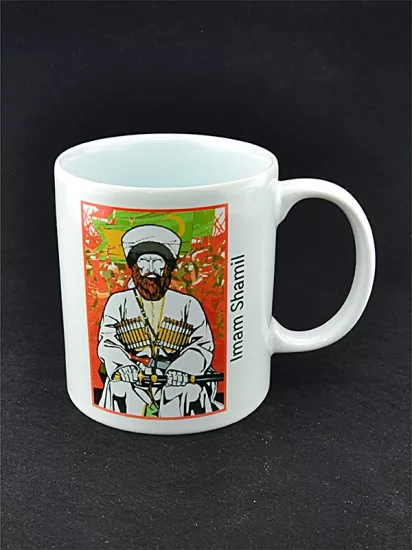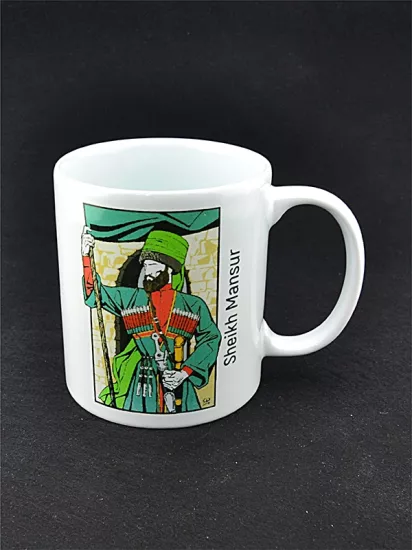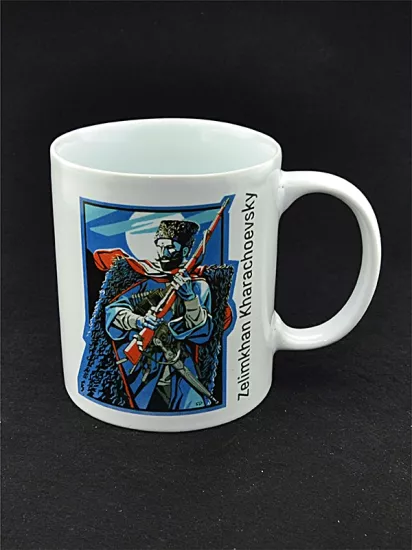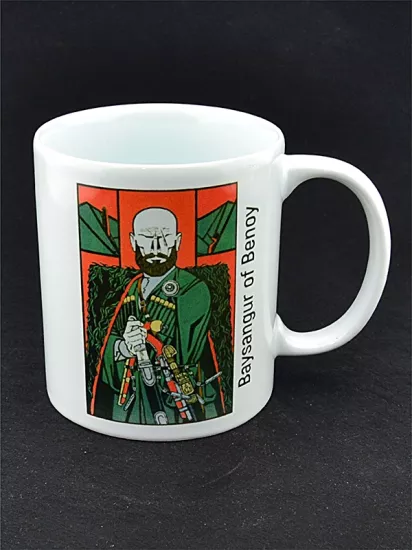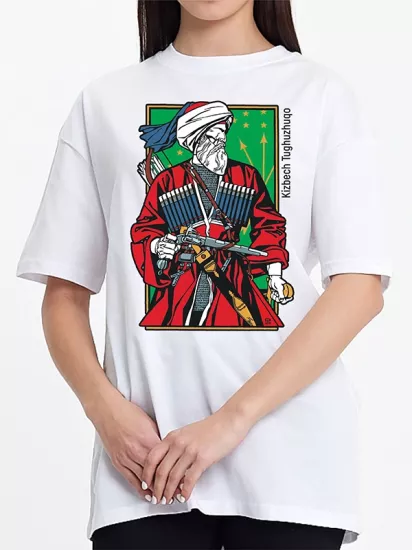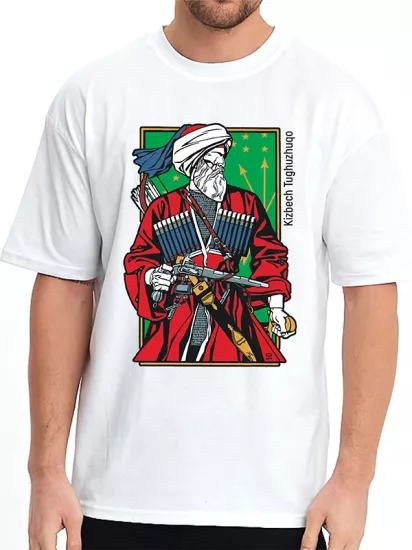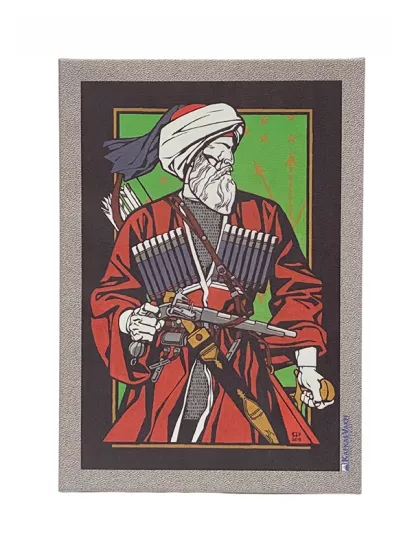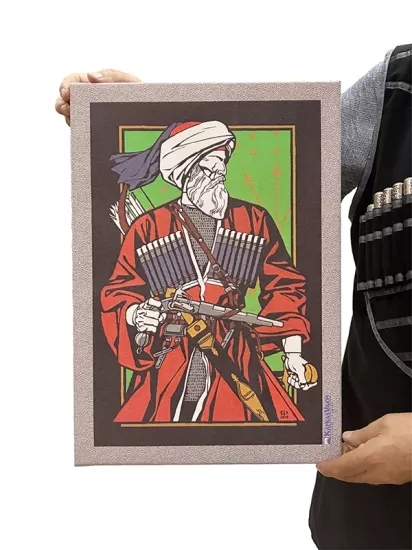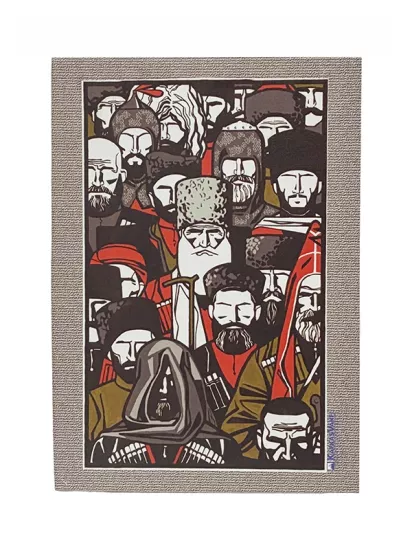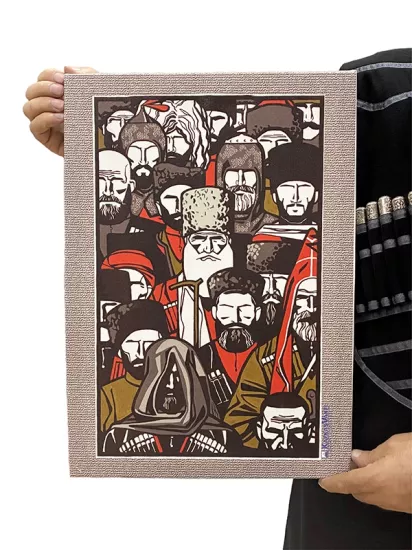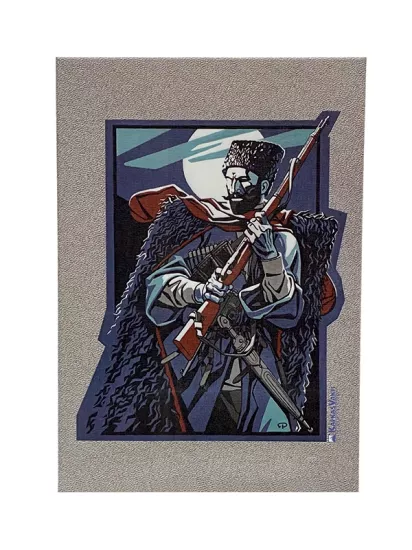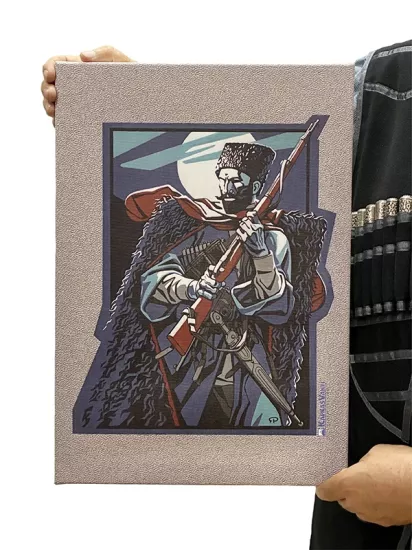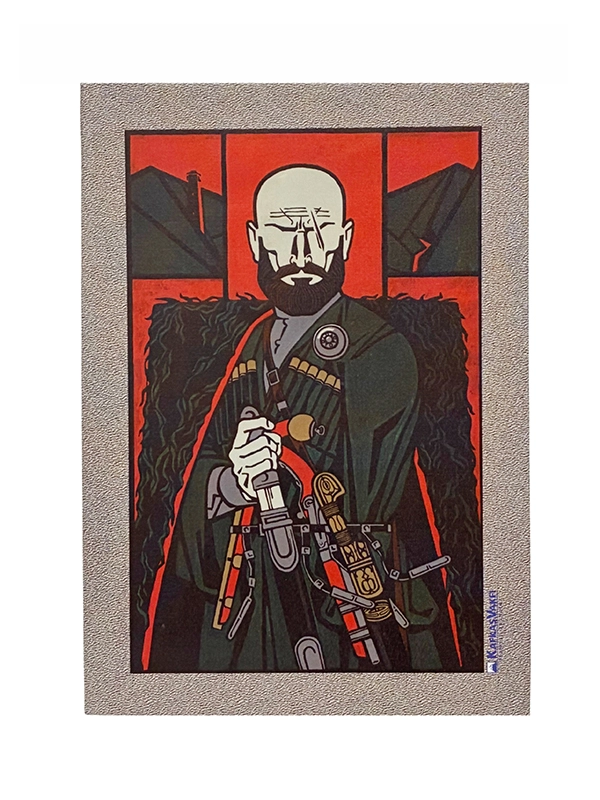
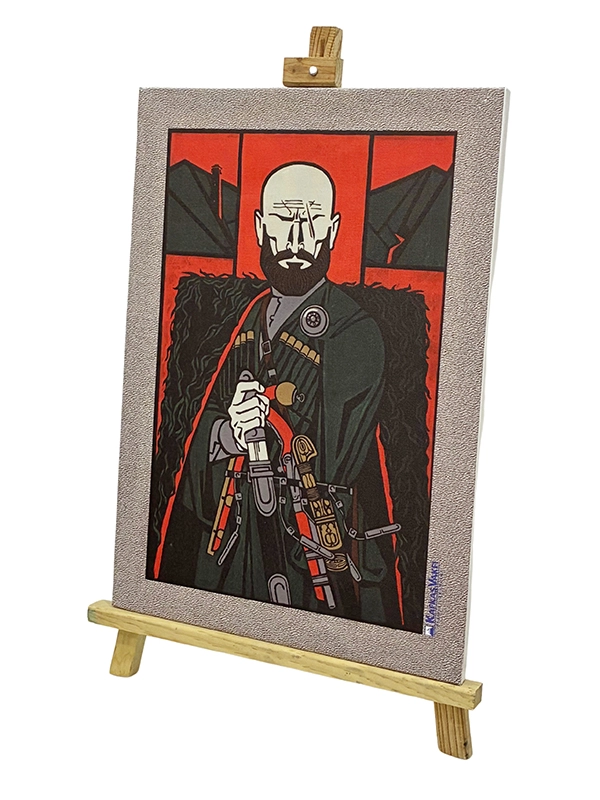
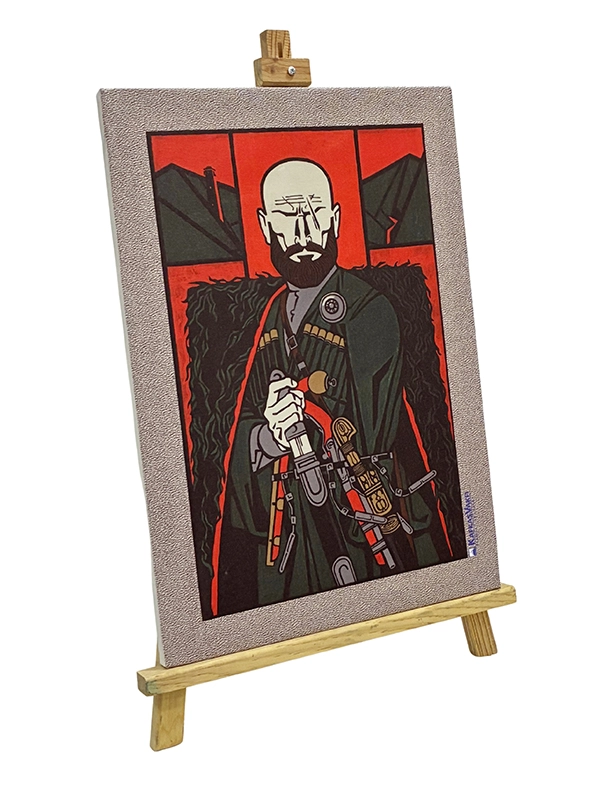
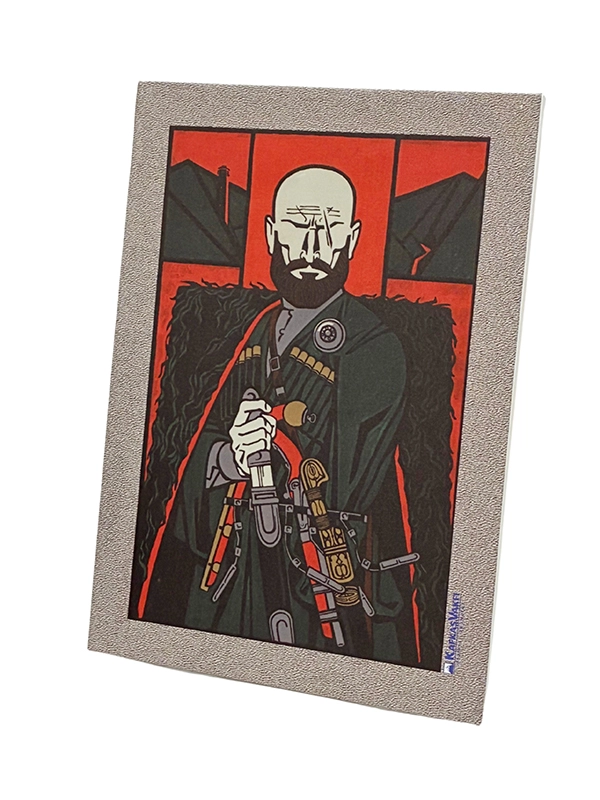
This special collection piece is designed to honor the unforgettable legend of the Caucasus, Baysangur Benoyevski (Baysangur the Chechen Mountaineer). The artwork is produced under the official license of the Caucasus Foundation, using original graphics by Chechen artist Rustem Yakhikhanov. It is an artistic and meaningful gift option that brings a historical character and the spirit of Caucasian culture to your home or office.
Product Technical Details:
Product Type: Canvas print for wall
Printing Technique: High-resolution, quality digital print
Print Material: Artistic linen canvas
Frame (Stretcher): Natural, first-class wooden stretcher bars
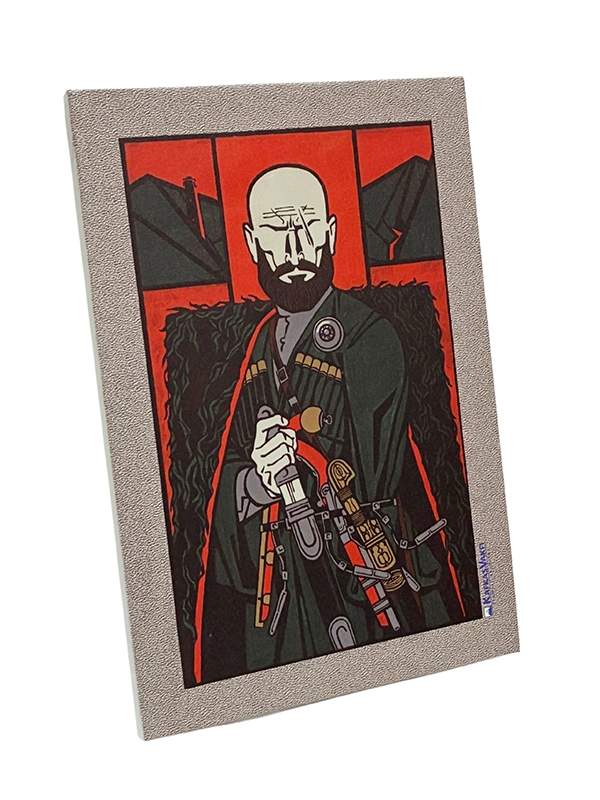
Finishing: 1.5 cm deep edge (gallery wrap)
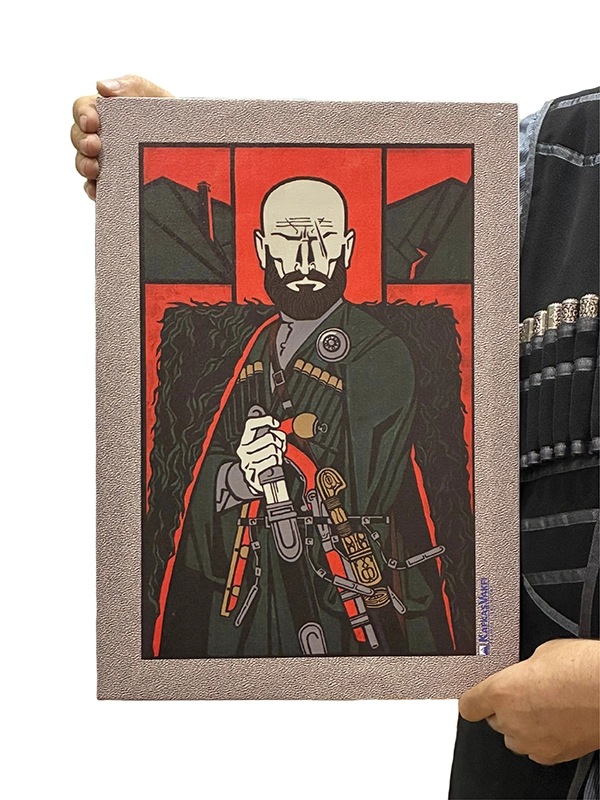
Finished Product Dimensions: 35 cm x 50 cm
Cleaning: Wipe with a slightly damp cloth. Do not use chemical cleaners.
Important Note:
All graphics and designs on the canvas are the copyright of Rustem Yakhikhanov. Unauthorized copying, reproduction, and use are illegal.
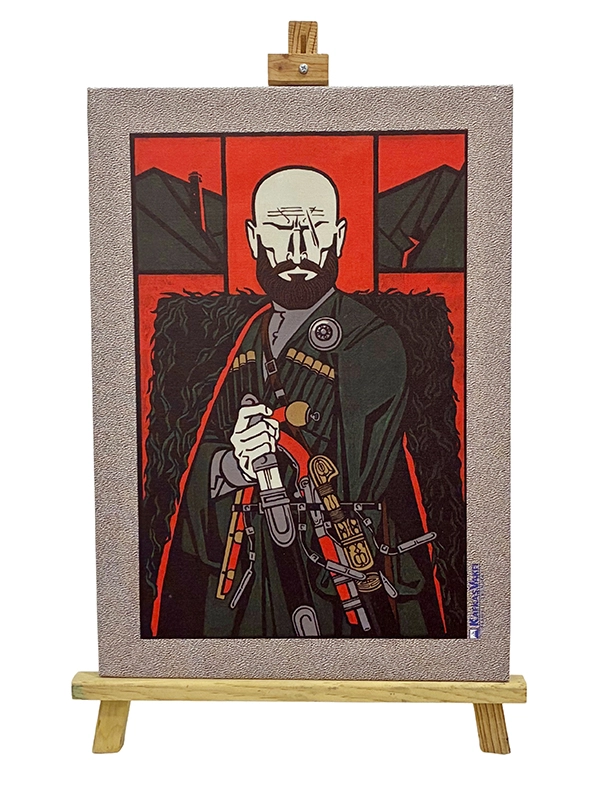
The easel shown in the photos is for demo purposes only and is not included in the delivery.
Who is Baysangur the Chechen Mountaineer?
In 1794, a baby boy named Baysangur was born. According to some sources, he joined the national liberation movement of the Dagestani and Chechen mountaineers in 1834. Baysangur, who actively participated in the Caucasian War, was Shamil's naib (commander) and fought in many battles with the Benoy people's detachment, leading them into battle under his red banner and later becoming the head of the Benoy community.
The legendary Baysangur lost his hand in a battle in the summer of 1845 at the age of 51, but even then he did not give up being a warrior. According to elders, the one-armed Baysangur possessed such skill and strength that he could cut his enemies in two with his sword. Some time after losing his arm, he also lost an eye in battle. Two years later, in one of the battles, the Chechen naib's leg was shattered by a cannonball, and the 53-year-old commander was captured there. The news of the capture of Shamil's naib quickly spread through the mountains and was met with harsh reactions from many mountaineers. Shamil personally organized Baysangur's escape, freeing him from captivity during his transfer to a prison hospital.
His iron will gave strength to the wounded Baysangur, and he soon returned to the saddle, charging again into the enemy's crowded ranks with a sword by his side. According to legend, Baysangur, who was tied to his horse so as not to fall off at a gallop and held the reins with his teeth, gripping his sword with his one remaining hand, fought with relentless fury.
After Shamil surrendered, Baysangur escaped the siege and retreated to Benoy, where he hid from the tsarist authorities until May 1860, while simultaneously beginning to prepare a new uprising with the leaders of other Chechen communities. However, the uprising was suppressed by tsarist troops, and on February 17, in a clash near the place called Bena-Duk near Benoy, the naib himself and his sons were captured after his horse was killed and handed over to a military court.
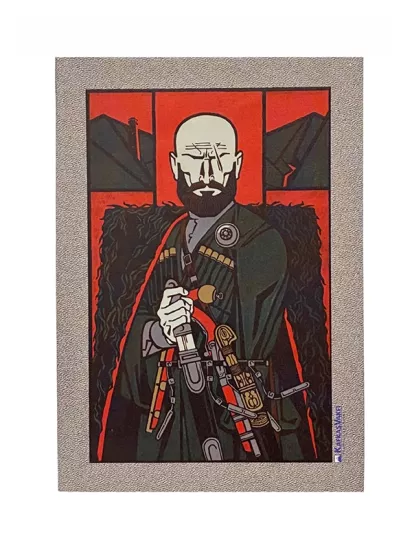
This special collection piece is designed to honor the unforgettable legend of the Caucasus, Baysangur Benoyevski (Baysangur the Chechen Mountaineer). The artwork is produced under the official license of the Caucasus Foundation, using original graphics by Chechen artist Rustem Yakhikhanov. It is an artistic and meaningful gift option that brings a historical character and the spirit of Caucasian culture to your home or office.
Product Technical Details:
Product Type: Canvas print for wall
Printing Technique: High-resolution, quality digital print
Print Material: Artistic linen canvas
Frame (Stretcher): Natural, first-class wooden stretcher bars
Finishing: 1.5 cm deep edge (gallery wrap)
Finished Product Dimensions: 35 cm x 50 cm
Cleaning: Wipe with a slightly damp cloth. Do not use chemical cleaners.
Important Note:
All graphics and designs on the canvas are the copyright of Rustem Yakhikhanov. Unauthorized copying, reproduction, and use are illegal.
The easel shown in the photos is for demo purposes only and is not included in the delivery.
Who is Baysangur the Chechen Mountaineer?
In 1794, a baby boy named Baysangur was born. According to some sources, he joined the national liberation movement of the Dagestani and Chechen mountaineers in 1834. Baysangur, who actively participated in the Caucasian War, was Shamil's naib (commander) and fought in many battles with the Benoy people's detachment, leading them into battle under his red banner and later becoming the head of the Benoy community.
The legendary Baysangur lost his hand in a battle in the summer of 1845 at the age of 51, but even then he did not give up being a warrior. According to elders, the one-armed Baysangur possessed such skill and strength that he could cut his enemies in two with his sword. Some time after losing his arm, he also lost an eye in battle. Two years later, in one of the battles, the Chechen naib's leg was shattered by a cannonball, and the 53-year-old commander was captured there. The news of the capture of Shamil's naib quickly spread through the mountains and was met with harsh reactions from many mountaineers. Shamil personally organized Baysangur's escape, freeing him from captivity during his transfer to a prison hospital.
His iron will gave strength to the wounded Baysangur, and he soon returned to the saddle, charging again into the enemy's crowded ranks with a sword by his side. According to legend, Baysangur, who was tied to his horse so as not to fall off at a gallop and held the reins with his teeth, gripping his sword with his one remaining hand, fought with relentless fury.
After Shamil surrendered, Baysangur escaped the siege and retreated to Benoy, where he hid from the tsarist authorities until May 1860, while simultaneously beginning to prepare a new uprising with the leaders of other Chechen communities. However, the uprising was suppressed by tsarist troops, and on February 17, in a clash near the place called Bena-Duk near Benoy, the naib himself and his sons were captured after his horse was killed and handed over to a military court.


 0212 671 79 80
 Türkçe
 English
 русский